• Link to X
  • Link to Facebook
  • Link to Instagram
  • Link to Pinterest
  • Shopping Cart Shopping Cart
    0Shopping Cart
  • About
    • Who We Are
    • Our Advisors
  • Body
  • Mind
  • Spirit
  • About CBD
  • About Cannabis
  • All Articles
  • Reviews
  • Podcasts
  • Contact
    • Partner With Us
    • Market Research
  • Log In
  • Click to open the search input field Click to open the search input field Search
  • Menu Menu
Ellementa

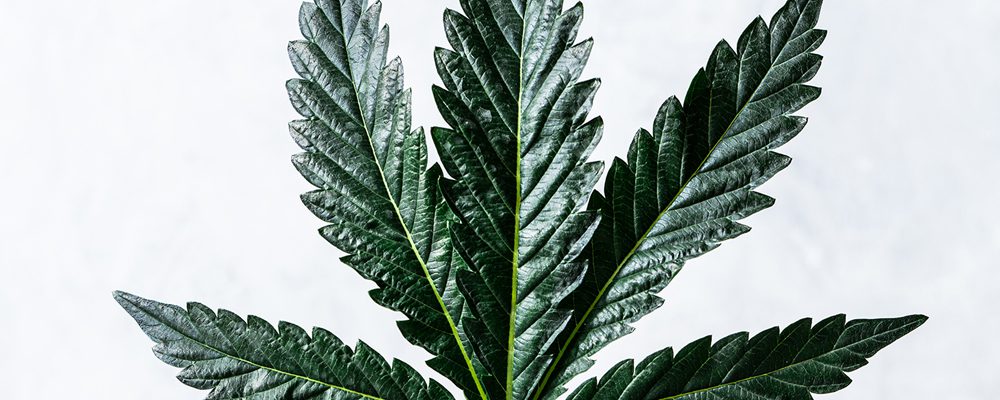
Cannabis is an ancient healing plant, favored by healers and midwives over the centuries.
This post is brought to you by…

Cannabis is an ancient healing plant.

Cannabis was first used by ancient civilizations in spiritual and religious rituals and as a medicinal plant. The first cannabis plants are known to have come from Central Asia, particularly Mongolia and southern Siberia. Records from ancient civilizations show evidence of humans using cannabis in a number of ways including:

  1. Burning and inhaling the smoke.
  2. Crushing and mixing it with other herbs to form poultices, salves, or ointments.
  3. Cooking it and distilling it into tonics or beverages.

Let’s look at a timeline of the ancient past of cannabis wellness.

Please note that the following practices from the past are not necessarily recommended today.

1800 BCE Early documented uses of a plant thought to be cannabis was used for seizures and referenced in Sumerian and Akkadian tablets.

1700 BCE The Ramesseum III Papyrus, an Egyptian medical text, described using hemp to treat a patient’s eyes.

1550 BCE An ancient Egyptian medical document called
the Papyrus Ebers mentioned the use of cannabis to reduce inflammation. The document additionally noted grinding cannabis in honey and using it to “cool the uterus and eliminate its heat.”

Egyptian women also used cannabis as a medication to “cure wrath and grief.”

1213 BCE Egyptian pharaoh, Ramses the Great, is believed to have used cannabis. In the 1980s, scientists found traces of cannabis in his mummified remains.

900 BCE Scythians, nomads of southern Siberia, used the smoke from burning hemp seeds for intoxication, according to Greek historian Herodotus.

1000 BCE Ayurvedic and Arabic practices incorporated cannabis as an aphrodisiac and to treat pain. The traditional Indian drink bhang is a mix of cannabis paste (made from the whole cannabis plant) and milk, ghee, and spices.

100 CE The Chinese medical text, the Shennong Bencaojing or Shennong’s Materia Medica Classic, mentioned the medicinal benefits of the flowers, seeds, and leaves of the cannabis plant.

200 CE In China, Cannabis was used as an anesthetic during surgery. Surgeon Hua Tuo ground cannabis and combined it with wine for patients.

800s The Al-Aqrabadhin Al-Saghir, the first Arabic list of medicines with their effects and uses, described a cannabis seed juice mixed with other herbs and taken intra-nasally to treat migraines, uterine pain, and prevent miscarriage.

1600s Industrial hemp arrived in the American colonies and was grown at Jamestown in the early 1600s, alongside tobacco, to produce rope, paper, and textiles. In 1639, the Massachusetts court passed a law requiring every household to plant hemp seed. George Washington and Thomas Jefferson also grew hemp on their farms.

1700s Irish doctor William O’Shaughnessy, wrote about the medical benefits of cannabis for rheumatism and nausea caused by cholera. American medical journals mentioned the use of hemp seeds and roots to treat health problems such as skin inflammation and incontinence.

1800s Queen Victoria is said to have taken a monthly dose
of cannabis prescribed by her physician to relieve menstrual cramps. In the United States, a medicinal syrup containing cannabis was used to provide relief from headaches, aid in better sleep, and stimulate appetite.

Cannabis was also used during childbirth to start contractions and ease pain.

With all of the evidence over centuries of cannabis being used medicinally, how did it become illegal? The answer to that is
due, in part, to the concerted efforts of a few powerful men who influenced how the public perceived cannabis, planting the seeds of stigma and driven by racial bigotry, political power grabbing, and greed.

WHY CANNABIS WAS MADE ILLEGAL

It wasn’t until the early twentieth century that the view of cannabis shifted from versatile, natural medicine to dangerous drug. Change began to happen when Congress passed the Pure Food and Drug Act of 1906 leading to the formation of the US Food and Drug Administration (FDA). The law mandated that product labels list any of ten ingredients that were considered “addictive” and/or “dangerous.” Cannabis was included on that list.

Cannabis is an ancient healing plant

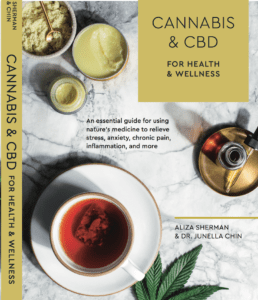
Excerpted from the book, Cannabis and CBD for Health and Wellness by Aliza Sherman and Dr. Junella Chin.

[Photos by Erin Scott Studio]

Discover Priya Apotheca

Latest Articles

  • Can You Use Cannabis to Banish Burnout?September 20, 2021 - 12:35 pm
  • Cannabis Experience you wantPhoto by Heidi Kaden on Unsplash
    Creating the Best Cannabis Experience For YouAugust 13, 2021 - 3:51 pm
  • CBD for Good Sleep? It’s Different for Everyone.July 15, 2021 - 7:58 am
  • The Many Flavors of CBD Oils Header
    What are the Many Flavors of CBD OilsJune 14, 2021 - 1:47 pm
  • Cannabis Gifts Every Mom Will Love
    18 Cannabis Gifts Every Mom Will LoveApril 21, 2021 - 4:01 pm

Get the Book

Let’s Connect

Join Our List for Discounts

On Instagram

On Twitter

On Instagram

On Facebook

ELLEMENTA DISCLAIMER

Partner With Us

Partner, Advertise, or Sponsor

Market Research

Ellementa Press Room

About Ellementa

About Us
Founders
Advisors

Contact Us

Member Logins

All Access Video Member Login

Gathering Leader Login

© Copyright - Ellementa - Enfold Theme by Kriesi
  • Link to X
  • Link to Facebook
  • Link to Instagram
  • Link to Pinterest
  • All About Cannabis
  • All About CBD
  • Body
  • Mind
  • Spirit
  • Recipes & Nutrition
  • Reviews
Link to: 3 Pain Relief CBD Topicals We Love Link to: 3 Pain Relief CBD Topicals We Love 3 Pain Relief CBD Topicals We Love Link to: 3 Really Delicious CBD Edibles Link to: 3 Really Delicious CBD Edibles 3 Really Delicious CBD Edibles
Scroll to top Scroll to top Scroll to top

This site uses cookies. By continuing to browse the site, you are agreeing to our use of cookies.

OKLearn more

Cookie and Privacy Settings


How we use cookies

We may request cookies to be set on your device. We use cookies to let us know when you visit our websites, how you interact with us, to enrich your user experience, and to customize your relationship with our website.

Click on the different category headings to find out more. You can also change some of your preferences. Note that blocking some types of cookies may impact your experience on our websites and the services we are able to offer.

Essential Website Cookies

These cookies are strictly necessary to provide you with services available through our website and to use some of its features.

Because these cookies are strictly necessary to deliver the website, refusing them will have impact how our site functions. You always can block or delete cookies by changing your browser settings and force blocking all cookies on this website. But this will always prompt you to accept/refuse cookies when revisiting our site.

We fully respect if you want to refuse cookies but to avoid asking you again and again kindly allow us to store a cookie for that. You are free to opt out any time or opt in for other cookies to get a better experience. If you refuse cookies we will remove all set cookies in our domain.

We provide you with a list of stored cookies on your computer in our domain so you can check what we stored. Due to security reasons we are not able to show or modify cookies from other domains. You can check these in your browser security settings.

Google Analytics Cookies

These cookies collect information that is used either in aggregate form to help us understand how our website is being used or how effective our marketing campaigns are, or to help us customize our website and application for you in order to enhance your experience.

If you do not want that we track your visit to our site you can disable tracking in your browser here:

Other external services

We also use different external services like Google Webfonts, Google Maps, and external Video providers. Since these providers may collect personal data like your IP address we allow you to block them here. Please be aware that this might heavily reduce the functionality and appearance of our site. Changes will take effect once you reload the page.

Google Webfont Settings:

Google Map Settings:

Google reCaptcha Settings:

Vimeo and Youtube video embeds:

Other cookies

The following cookies are also needed - You can choose if you want to allow them:

Privacy Policy

You can read about our cookies and privacy settings in detail on our Privacy Policy Page.

Privacy Policy
Accept settingsHide notification only